Mandatory Due Diligence: A New Era for Corporate Accountability in Malawi
Malawi is currently at a critical crossroads in its development. While our nation is blessed with rich natural resources—from minerals to fertile land—the rapid growth in sectors like mining, large-scale agriculture, and infrastructure has often outpaced our regulatory capacity. To address this, a growing national movement is calling for the adoption of Mandatory Human Rights and Environmental Due Diligence (mHREDD).
What is mHREDD?
Unlike voluntary corporate social responsibility, mHREDD is a legally mandated process. It requires businesses to proactively identify, prevent, and mitigate adverse impacts on human rights and the environment throughout their operations and supply chains. It moves the conversation from “optional kindness” to a “legal duty of care”.
Why Does Malawi Need This Framework?
While the Constitution of Malawi guarantees the right to a clean environment and human dignity, the country currently lacks a comprehensive legal framework to compel companies to conduct due diligence. This gap has led to several documented challenges:
-
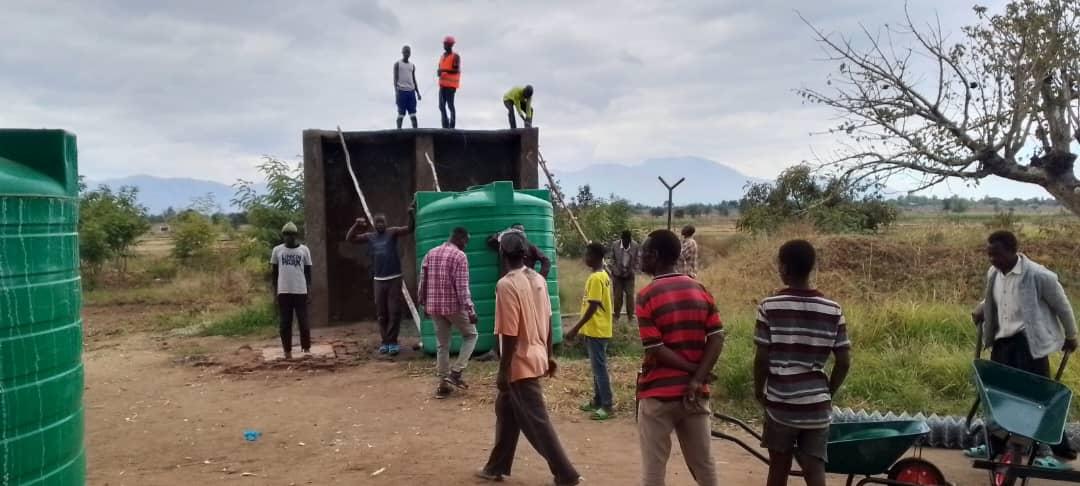
Environmental Degradation: Historical water pollution from mining and deforestation linked to tobacco estates
-
Human Rights Violations: Cases of land rights violations, labor exploitation, and weak benefit-sharing in the extractive and agricultural sectors.
-
Barriers to Justice: Affected communities often face high costs and power imbalances when seeking remedy for harms caused by corporate activities.
Turning Vision into Action: The National Conference
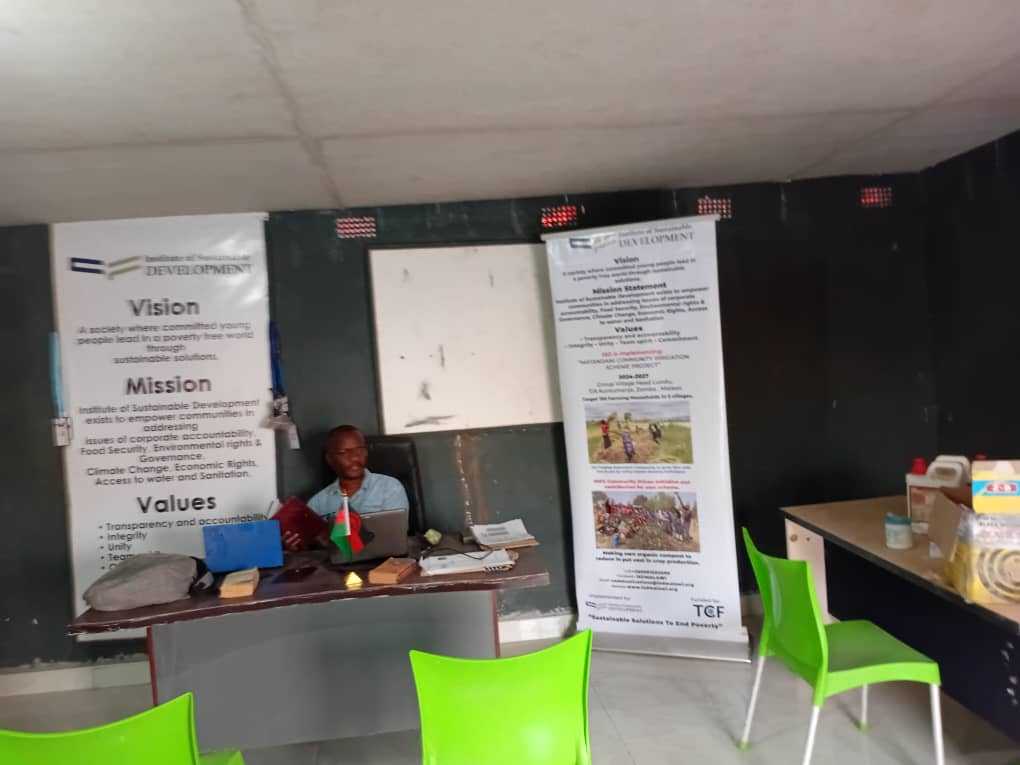
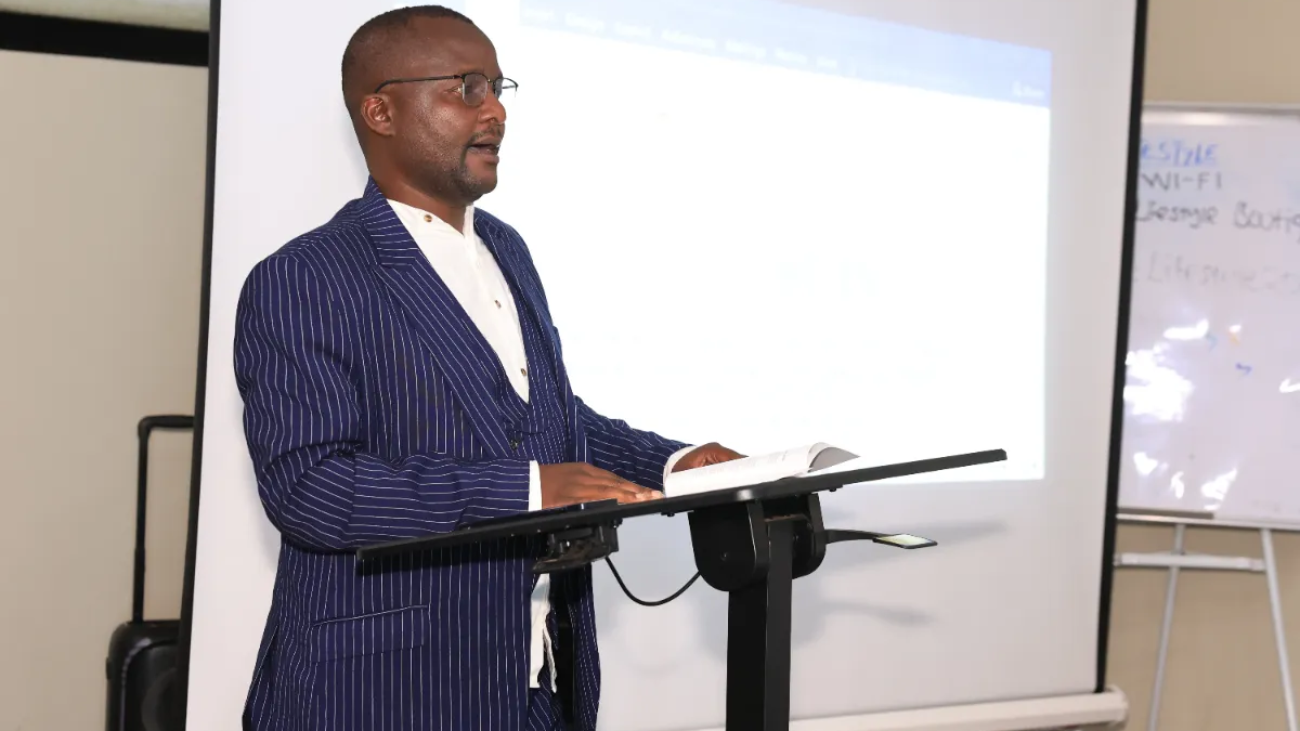
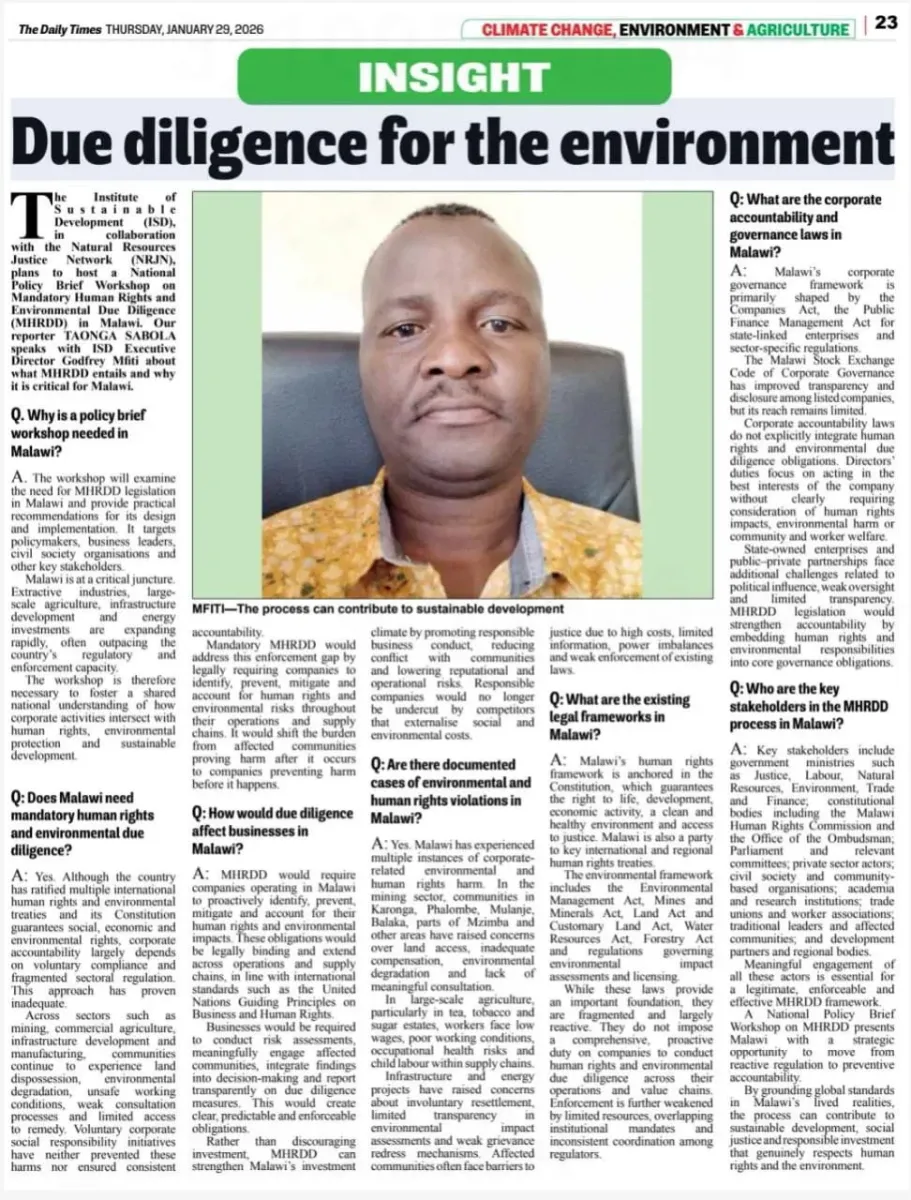
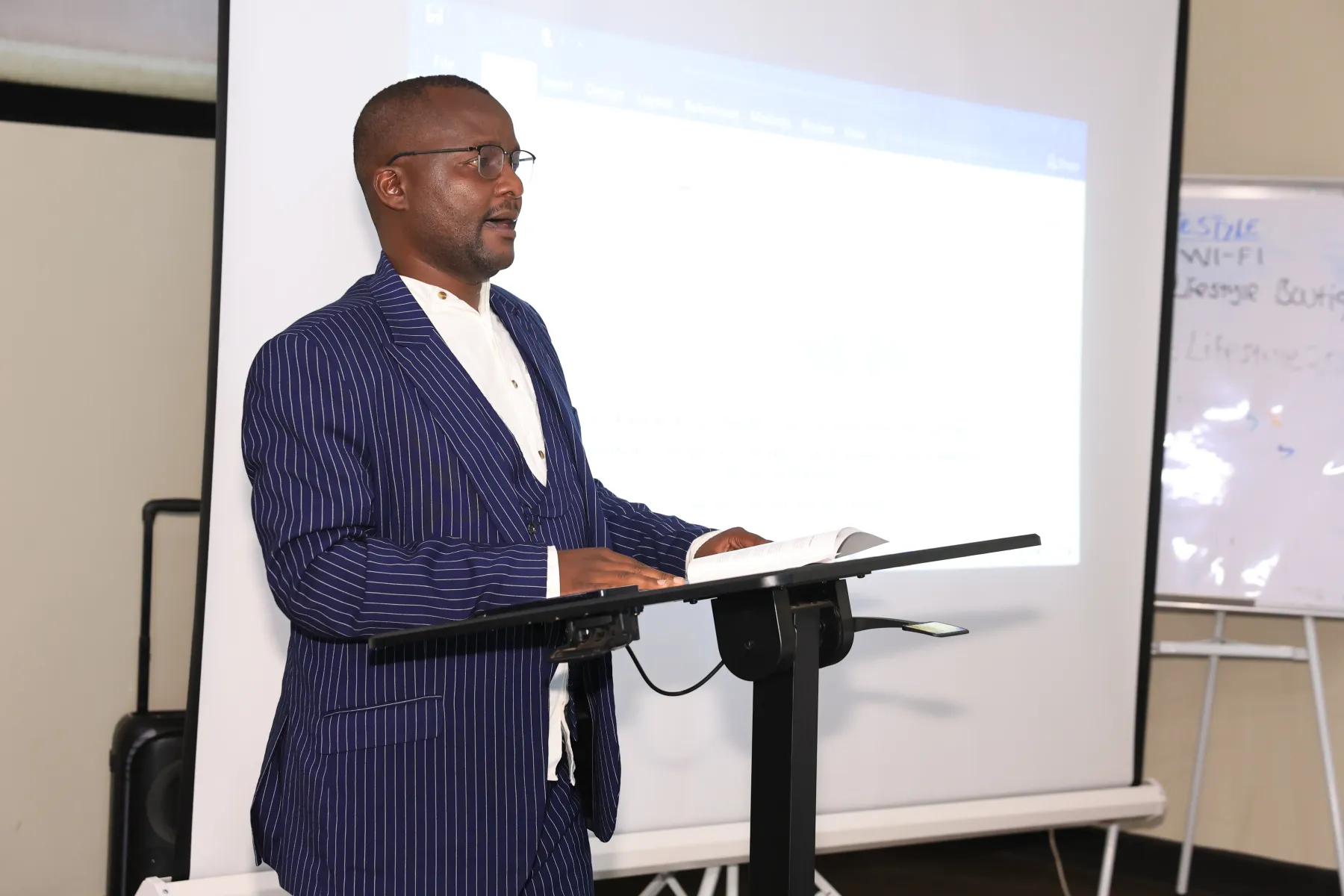
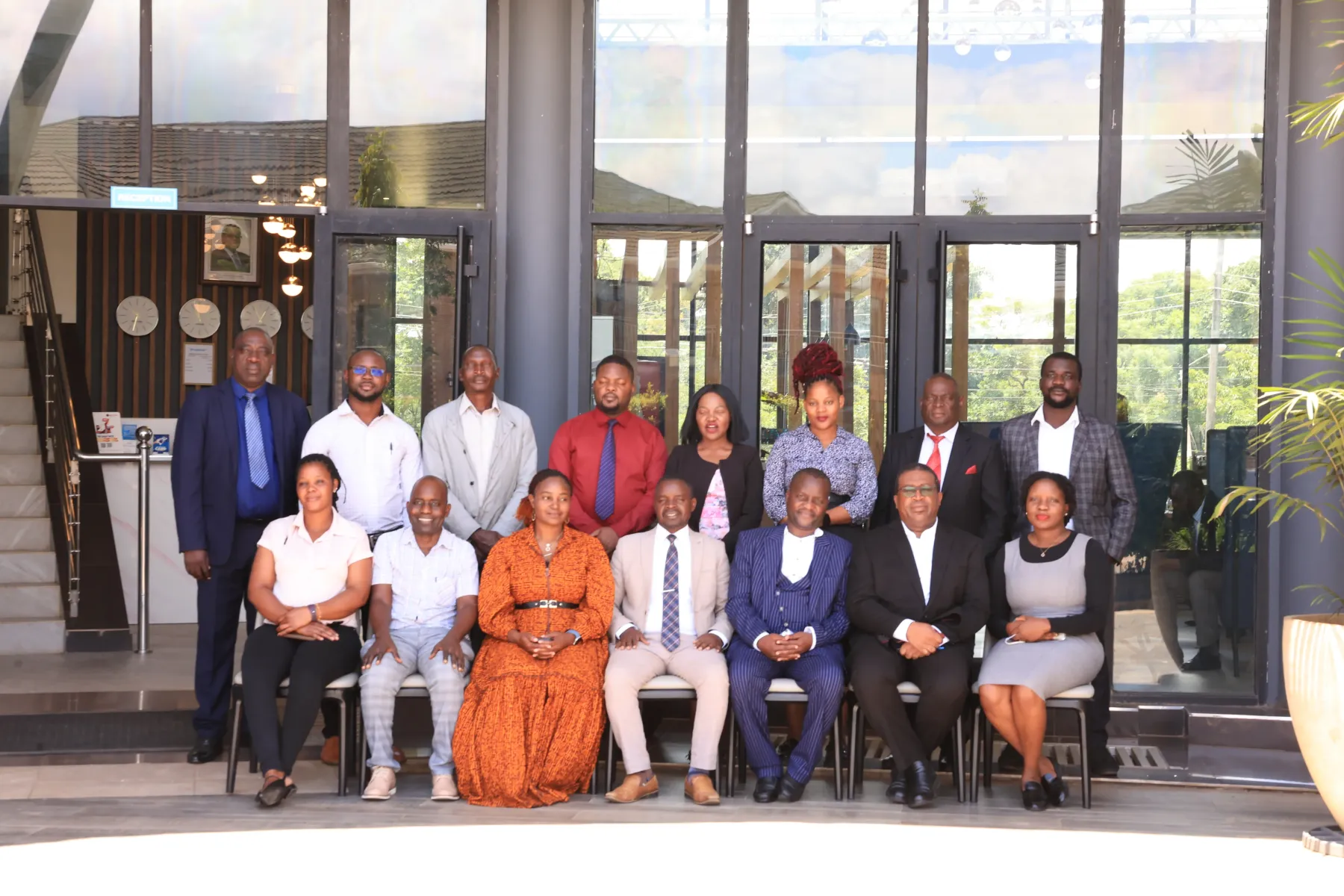
To bridge these gaps, the Institute of Sustainable Development (ISD), in collaboration with the Natural Resources Justice Network (NRJN), is hosting a National Conference on mHREDD.
The primary goal is to initiate a multi-stakeholder dialogue on how to design a “Malawian-made” due diligence framework. This conference will bring together government ministries, the private sector, civil society, and community representatives to develop an evidence-based policy brief that will guide future legislation.
Lessons from Across the Continent
Malawi is not alone in this journey. We are drawing inspiration from various African models to ensure our framework is robust:
-
South Africa: Demonstrates how sector-specific requirements, like the Mining Charter, can enforce socio-economic obligations.
-
Ghana & Côte d’Ivoire: Use centralized commodity boards to mandate traceability and fair income in cocoa supply chains.
-
Kenya: Showcases the power of a National Action Plan (NAP) as a foundation for building consensus before passing laws.
The Path Forward
The shift to mandatory accountability will benefit everyone. For communities, it ensures better protection of land and health. For businesses, it provides legal clarity and improves access to international markets like the EU, which increasingly demand ethical supply chains. For the government, it aligns national growth with the Malawi 2063 vision of inclusive wealth and self-reliance.
The era of voluntary measures has passed; it is time for a framework that internalizes accountability and respects the dignity of every Malawian.
Views and Downloads
Mining & Trade Review, MID FEBRUARY 2026 ,,,, Edition_ELECTRONIC_010239
Mandatory Environmental and Human Rights Due Diligence in Malawi-booklet